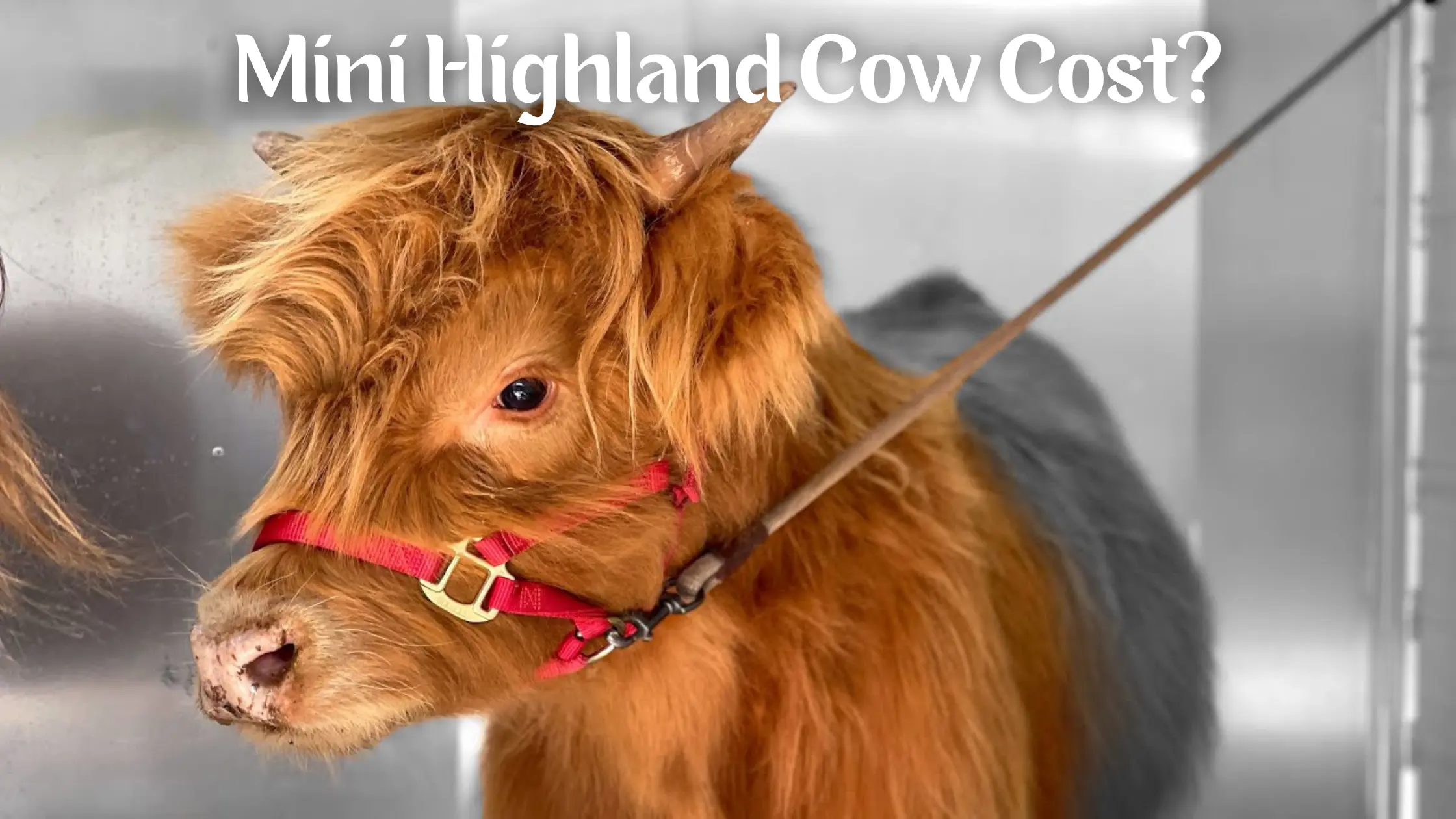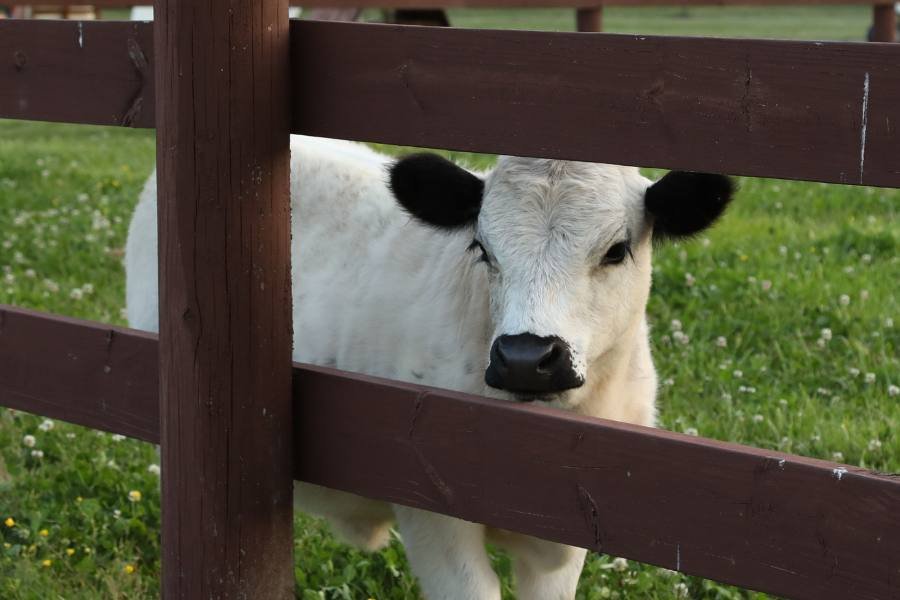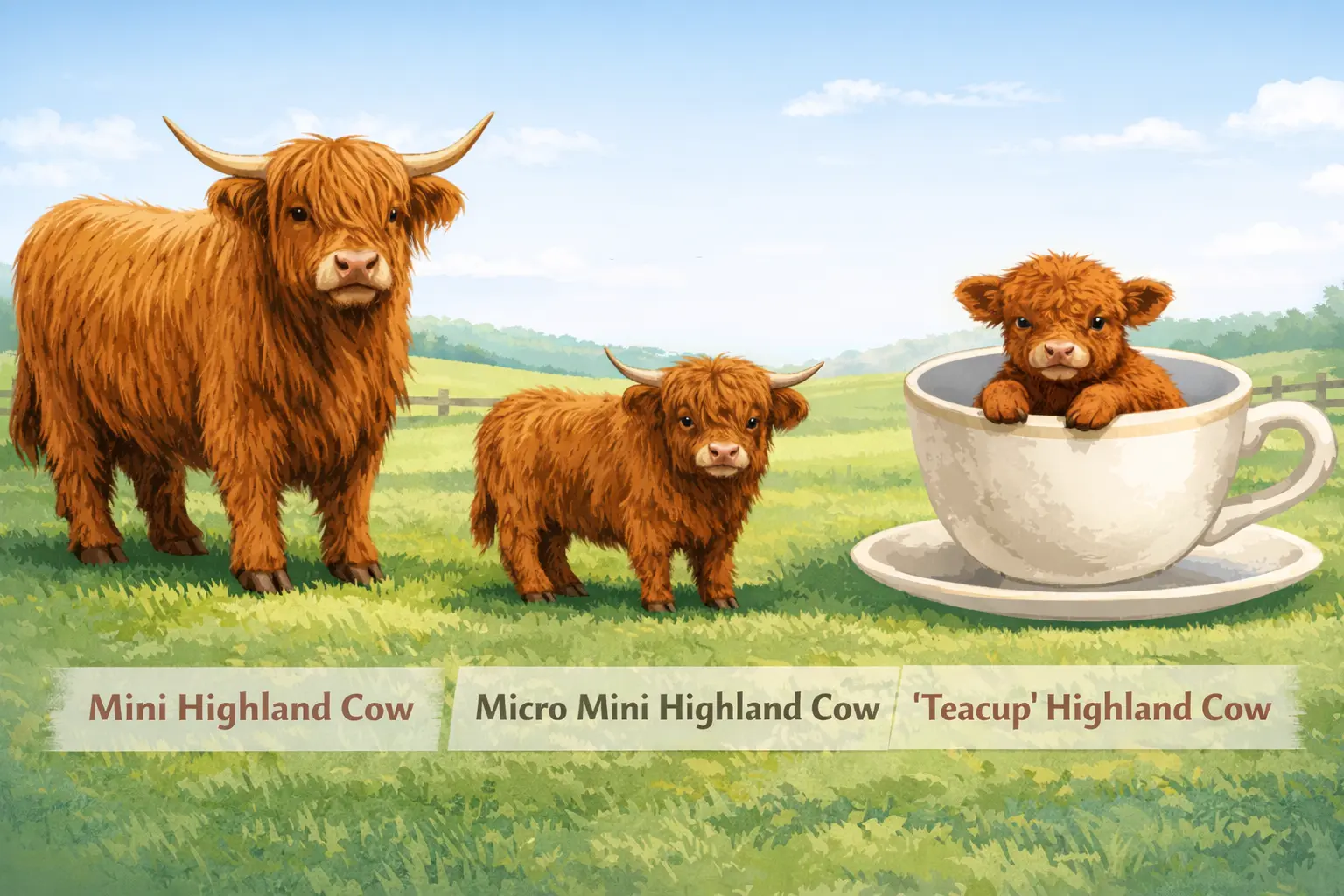
As interest in smaller cattle grows, terms like mini highland cow, micro mini highland cow, and teacup highland cow are used everywhere—but not always accurately. If you're struggling to determine which size is suitable (or which promises to trust), this guide clears up the confusion with realistic sizes, expectations, and red signals.
Quick Summary: Mini Highland cows (42-48") are the most established category. Micro minis (36-42") are smaller but less standardized. "Teacup" Highland cows are a marketing term with no biological basis—beware of unrealistic size promises.
Why the Confusion Exists
Unlike dogs or horses, Highland cattle don't have a single, internationally regulated size registration. That means:
- Some size labels are informal
- Marketing terms can be misleading
- Genetics and breeding ethics matter more than labels
Understanding what each term usually means will help you buy smarter and avoid costly mistakes.
Important: The lack of standardization means unethical breeders can use these terms loosely. Always verify adult parent sizes and ask for documentation before making a purchase.
Mini Highland Cow
A mini highland cow is a deliberately developed, smaller variant of the ordinary Highland cow—while keeping good structure and health. This is the most established and reliable size category in the miniature Highland market.
Typical Size
- Height: 42-48 inches at the shoulder
- Weight: 600-800 lbs
Best For
- Small farms with limited acreage
- Lifestyle homesteads
- Owners who want classic Highland looks with less space
- Those seeking predictable, reliable sizing
Key Takeaway: Minis are the most established and predictable size category. They offer the best balance of manageable size and genetic reliability.
Micro Mini Highland Cow
A micro mini highland cow is bred even smaller than a mini, concentrating on decreased height and weight while preserving proportionate construction. This category requires more specialized breeding and varies more between breeders.
Typical Size
- Height: 36-42 inches at the shoulder
- Weight: 400-600 lbs
Best For
- Hobby farms with very limited space
- Limited acreage (1-2 acres)
- Educational or petting farms
- Experienced cattle owners
Important Note: Parent size and breeder transparency are critical here. This category varies more than minis, so always see both parents and get size guarantees in writing.
Teacup Highland Cow
The term teacup highland cow is not a recognized or standardized classification. This is perhaps the most important section of this guide, as it can save you from significant disappointment and financial loss.
What It Usually Means
- A very young calf being misrepresented
- A poorly nourished or unhealthy animal
- A marketing term with no size guarantee
- An attempt to command premium prices without justification
Reality Check
Critical Warning: No healthy adult Highland cow stays "teacup-sized." Promises of extreme tiny size are a major red flag and often indicate unethical breeding practices or outright fraud.
- No biological basis for cattle this small
- Animals advertised as "teacup" typically grow to mini or micro mini size
- May indicate dwarfism genes or other health issues
- Often just clever photography of young calves
Key Takeaway: "Teacup" is marketing—not biology. Protect yourself by insisting on seeing adult parent animals and getting realistic size expectations.
Side-by-Side Comparison
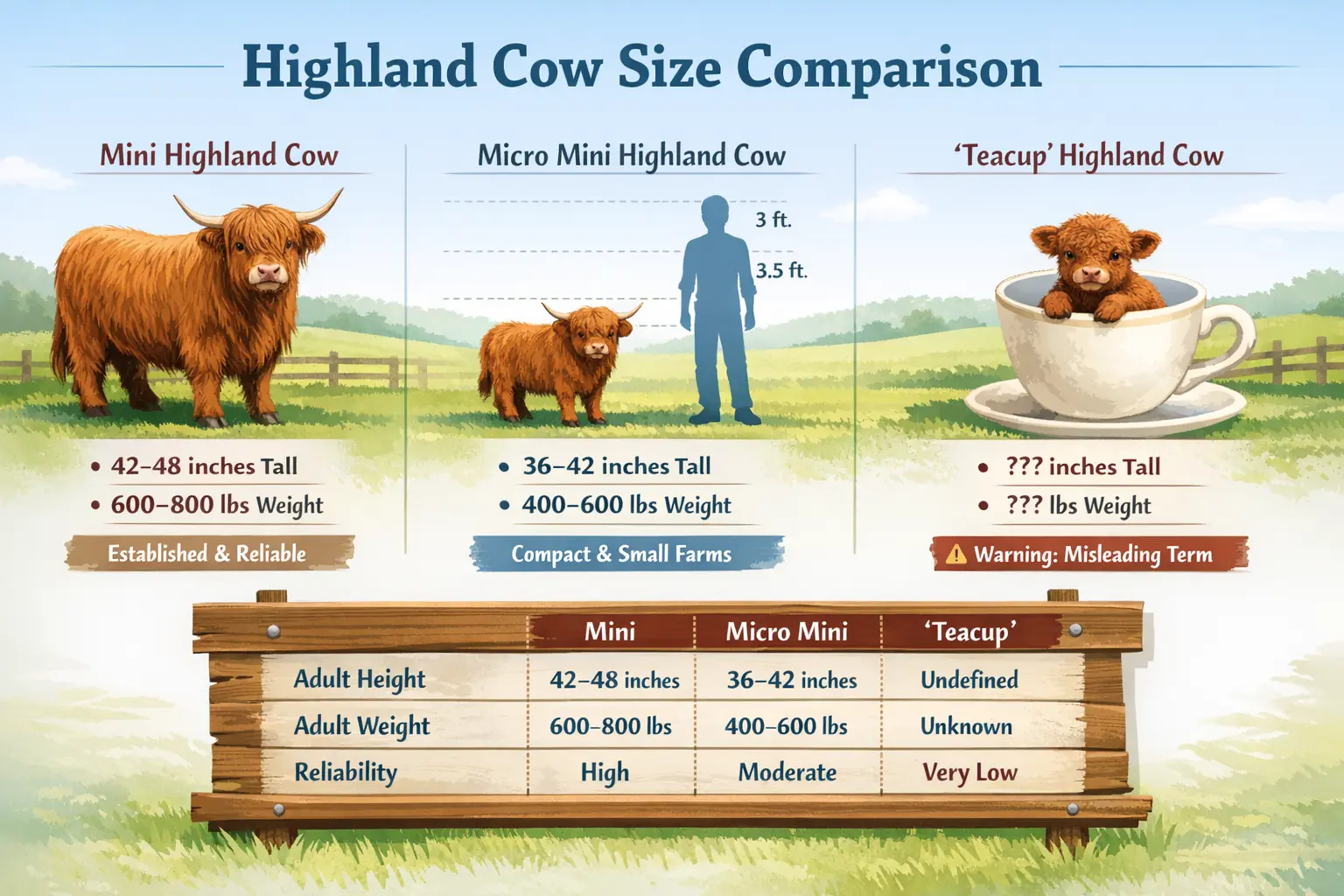
Here's a comprehensive comparison to help you understand the real differences between these classifications:
Complete Size Comparison Chart
| Feature | Mini Highland Cow | Micro Mini Highland Cow | Teacup Highland Cow |
|---|---|---|---|
| Classification | Informal but common | Informal | Marketing term only |
| Adult Height | 42-48 inches | 36-42 inches | Not defined |
| Adult Weight | 600-800 lbs | 400-600 lbs | Not predictable |
| Reliability | High | Medium | Very low |
| Buyer Risk | Low | Moderate | High |
| Price Range | $2,500-$4,000 | $3,500-$5,500 | Inflated/Varies |
Which One Should You Choose?
The right choice depends on your goals, property, and experience level. Here's how to decide:
Choose a Mini Highland Cow if you want:
Predictable Size
Consistent adult size based on well-established breeding programs.
Strong Genetics
Robust health and structure from established bloodlines.
Resale Value
Easier to sell or trade due to standardized expectations.
Lower Risk
The safest option for first-time miniature cattle buyers.
Choose a Micro Mini Highland Cow if you want:
- ✔ Smaller footprint - Ideal for properties under 2 acres
- ✔ Lower feed needs - Reduced ongoing costs
- ✔ A true hobby-scale animal - Perfect for enthusiasts
- ✔ Unique appeal - Rarer than standard minis
Avoid a Teacup Highland Cow if:
- ✘ Size guarantees sound unrealistic
- ✘ Parent size can't be verified in person
- ✘ Health information is unclear or incomplete
- ✘ Breeder uses only photos of young calves
- ✘ Price seems suspiciously high for the "tiny" size
- ✘ Breeder is defensive about showing adult animals
Red Flag Alert: If a breeder promises an adult Highland cow under 36 inches or uses the term "teacup" prominently, proceed with extreme caution or walk away entirely.
How to Buy Safely (Quick Tips)
Protect yourself from misleading claims and unethical breeders with these essential tips:
See the Parents
Ask for adult photos and measurements of both parents. Better yet, visit in person.
Mature Height
Confirm expected mature height, not current calf size. Get it in writing.
Verify Claims
Avoid sellers using only buzzwords without providing actual data and measurements.
Health First
Healthy cows are small, not fragile. Look for robust, proportionate animals.
Essential Questions to Ask Breeders
- What is the adult height of both parents? (Get specific measurements)
- Can I see adult animals from previous breeding?
- What health testing has been done? (Especially for dwarfism genes)
- Do you provide a size guarantee? (Get it in writing)
- What are your refund or return policies?
- Can you provide references from previous buyers?
- How long have you been breeding miniature Highlands?
See Real Miniature Highland Cows
Confused by all the terminology? Visit MooMuffin Acres to see properly-sized mini Highland cows in person and learn what realistic expectations look like.
Schedule Your Farm VisitUnderstanding Genetic Reality
It's important to understand the biological limitations of miniaturization in cattle. Highland cows are naturally medium to large animals, and responsible miniaturization takes generations of careful breeding.
Genetic Limits
There are natural limits to how small cattle can be bred while maintaining health.
Proportion Matters
Healthy miniaturization maintains proper body proportions and structure.
Takes Time
Legitimate miniature breeding programs span many generations—not a few years.
Health Priority
Ethical breeders prioritize health and soundness over extreme size reduction.
Price Expectations by Category
Understanding typical pricing can help you identify unrealistic claims or potential scams:
- Mini Highland Cow: $2,500-$4,000 (most common range)
- Micro Mini Highland Cow: $3,500-$5,500 (premium for smaller size)
- "Teacup" Claims: Often inflated prices ($5,000-$8,000+) for animals that will grow to mini or micro size
Warning: If someone is charging "teacup" prices but cannot show you adult animals of that size from their breeding program, you're likely being scammed.
Final Thoughts
If you're serious about owning a smaller Highland, focus less on labels and more on genetics, health, and honest breeding. A well-bred mini highland cow or micro mini highland cow can thrive for decades. A so-called teacup highland cow rarely delivers what the name promises.
When it comes to cattle, real size comes from real parents—not marketing terms.
Our Recommendation: Start with a well-established mini Highland cow from a reputable breeder. Visit the farm, see the parents, ask lots of questions, and never let marketing buzzwords override common sense and due diligence.
At MooMuffin Acres, we believe in transparency and honesty. We'll always show you adult animals, provide accurate measurements, and set realistic expectations. That's what responsible breeding looks like—and what you deserve as a buyer.
Remember: the goal isn't to own the smallest possible Highland cow. The goal is to own a healthy, happy animal that fits your property and lifestyle while bringing you joy for many years to come. Size is just one factor in that equation.
Make your decision based on facts, not marketing. Visit breeders in person, see adult animals, and trust your instincts. The right mini highland cow or micro mini highland cow is waiting for you—just make sure you're working with honest breeders who put animal welfare first.