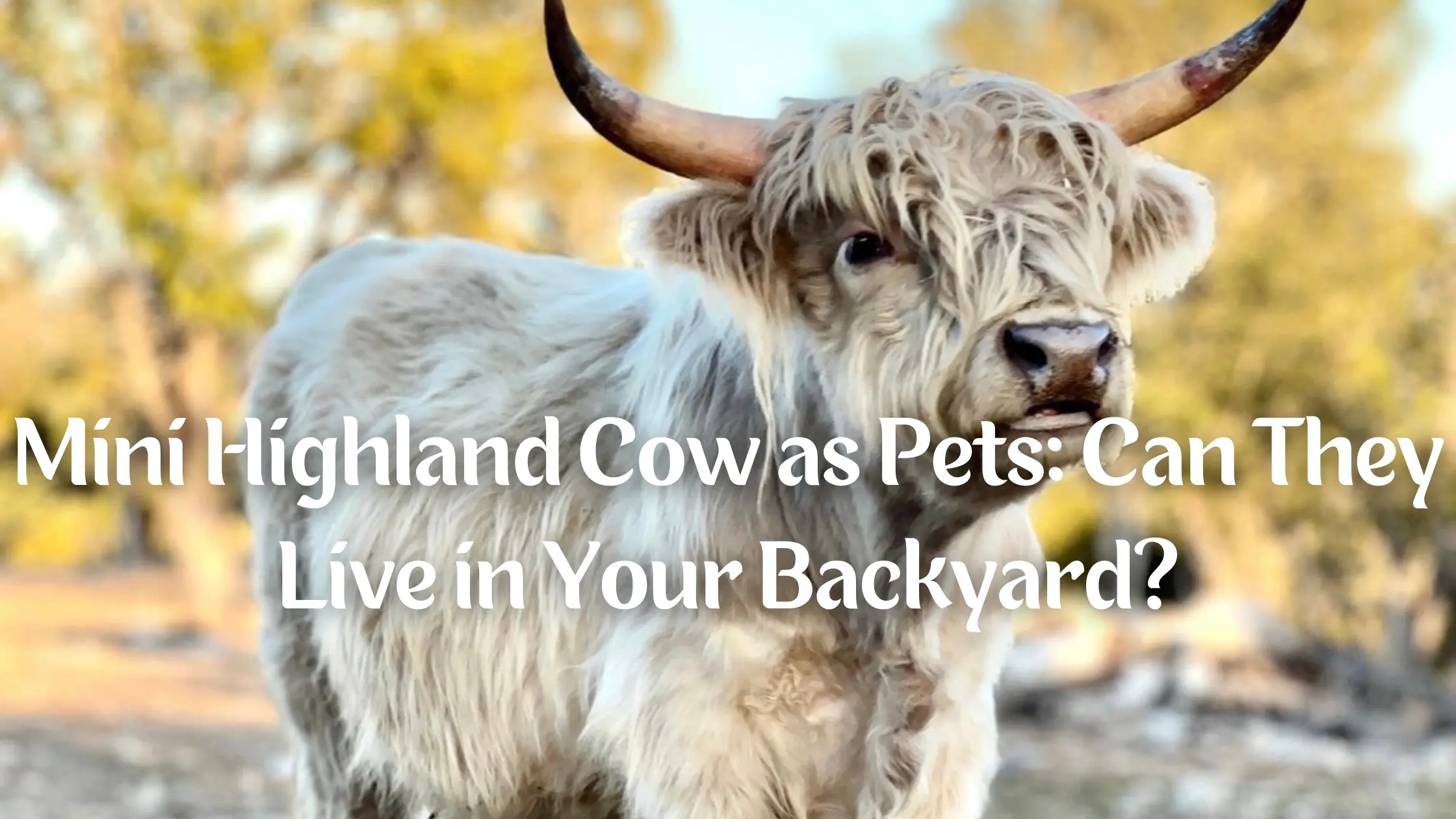
With their fluffy coats and friendly looks, it's easy to see why people ask if a mini Highland cow can live as a pet. Social media typically depicts them being brushed, led on halters, or lying calmly—leading people to wonder whether a mini Highland cow could truly thrive in a backyard.
The answer is yes in some cases—but not for everyone. This article describes the reality of raising mini Highland cows as pets, including zoning rules, temperament, space needs, indoor vs outdoor care, and companionship requirements.
Quick Answer: Mini Highland cows can be wonderful pasture pets if you have adequate land (¼-½ acre minimum), proper zoning approval, secure fencing, and understand they're livestock—not house pets. They need outdoor living, companionship, and daily care.
Pet or Livestock: What Is a Mini Highland Cow?
Legally and practically, a mini Highland cow is livestock, not a traditional pet. This distinction is crucial for understanding the reality of ownership and avoiding costly mistakes.
Critical Understanding: Even when raised as pasture companions with lots of love and attention, mini Highland cows remain livestock animals with specific legal, practical, and care requirements that differ fundamentally from traditional pets.
Even when raised as beloved pasture companions, they:
Livestock Classification Requirements
- Require grazing or hay - Daily forage consumption of 2-3% of body weight
- Need livestock-grade fencing - Woven wire, cattle panels, or electric fencing
- Fall under agricultural zoning laws - Subject to local ordinances and regulations
- Require veterinary care from large-animal vets - Different from small animal veterinarians
- Produce significant waste - Require manure management plans
- Need proper shelter - Three-sided structures or barns, not dog houses
Key Principle: Treating them like oversized dogs leads to problems. Treating them like livestock with pet-level care works much better and creates happier animals and owners.
Temperament: Are Mini Highland Cows Good Pets?
Temperament is one of the biggest reasons people choose mini Highland cows as companion animals. Their gentle nature sets them apart from many other cattle breeds.
Typical Personality Traits
Calm & Docile
Generally peaceful and easy-going, especially when raised with regular human contact from birth.
Curious Nature
Inquisitive and interested in their environment but not aggressive or overly pushy.
Handling Tolerance
Accept and often enjoy grooming, petting, and gentle handling when properly socialized.
Human Bonds
Form strong bonds with familiar humans, recognizing regular caregivers and showing affection.
A micro Highland cow raised with regular interaction can be extremely gentle and friendly, but temperament depends heavily on early handling and breeder practices. Animals from breeders who prioritize socialization make much better companions than those raised with minimal human contact.
Important Note: While generally gentle, individual temperaments vary. Even the friendliest mini Highland cow can have bad days, become protective of food, or react unpredictably to perceived threats.
Can a Mini Highland Cow Live in Your Backyard?
This is the question most potential owners ask, and the answer requires careful consideration of what "backyard" actually means in practical terms.
The Short Answer
Yes—if your backyard meets livestock standards. A typical suburban lawn does not qualify, but a properly equipped property can work wonderfully.
Minimum Requirements
Backyard Livestock Requirements
| Requirement | Minimum Standard | Recommended |
|---|---|---|
| Land Size | ¼ acre per cow | ½ acre or more per cow |
| Fencing | 4-ft woven wire or panels | 5-ft with visibility markers |
| Shelter | Three-sided structure | Run-in shed or small barn |
| Water Access | Constant fresh supply | Automatic waterer system |
| Forage | Hay or pasture daily | Quality pasture + hay backup |
Reality Check: A small suburban lawn is not enough, even for a micro Highland cow. They need real grazing space, proper fencing, and facilities that meet livestock standards.
Zoning Laws and Legal Considerations
Before purchasing a mini Highland cow, you must verify local regulations carefully. Ignoring zoning laws can result in fines, forced removal of animals, and legal complications.
What to Verify Before Purchase
Essential Legal Checks
-
Are cattle allowed in your zoning district?
- Check residential vs agricultural zoning classifications
- Some areas allow "hobby farm" exceptions
- Urban and suburban zones often prohibit all livestock
-
Minimum acreage requirements
- Many jurisdictions require 1-5 acres for cattle
- Requirements vary by animal size and number
- Some areas have no minimum if other conditions are met
-
Setback distances from property lines
- Shelters and feeding areas may need to be 50-100 feet from boundaries
- Manure storage areas often have stricter requirements
-
Noise or odor regulations
- Neighbors may be able to file complaints
- Proper manure management helps prevent issues
-
Number of animals permitted
- Often limited by acreage or total animal units
- May have separate limits for different livestock types
-
Special permits or licenses
- Some areas require livestock permits
- Annual inspections may be mandatory
Many rural and semi-rural areas allow mini Highland cows without issue, while urban and suburban zones often prohibit them entirely. Always get written confirmation from your local zoning office before purchasing.
Where to Check
Contact: County zoning office, city planning department, homeowners association (if applicable).
Get It in Writing
Verbal approval isn't enough. Request official written confirmation of livestock permissions.
Talk to Neighbors
Even if legal, consider neighbor relationships. Good fences and proper care prevent complaints.
Check HOA Rules
Homeowners associations often have stricter rules than municipal zoning. Review all covenants.
Indoor vs Outdoor Living: What Is Appropriate?
Social media sometimes shows Highland cows in houses, but this is neither practical nor healthy for long-term living arrangements.
Outdoor Living (Required)
Mini Highland cows are built for outdoor life and thrive in these conditions:
- Thick double coats protect them year-round from cold and wet weather
- They need fresh air and space for physical and mental health
- Outdoor shelter is sufficient in most climates—they don't need heated barns
- Natural grazing behavior requires outdoor access to vegetation
- Proper waste management only works outdoors with adequate space
Indoor Living (Not Recommended)
Why Indoor Living Doesn't Work
- Not house-trainable - No amount of training will change their bathroom habits
- Large waste output - Adults produce 50+ pounds of manure daily
- Flooring damage - Hooves and weight destroy standard flooring
- Health risks from poor ventilation and ammonia buildup
- Behavioral problems - Stress and frustration from confinement
- Safety hazards - Horns and size create indoor dangers
They can be hand-fed treats or brushed indoors briefly for special occasions, but they cannot live inside a house as a permanent arrangement. Videos showing Highland cows indoors are typically brief visits, not living situations.
Companionship: Can a Mini Highland Cow Live Alone?
No. Mini Highland cows are herd animals with strong social needs. This is one of the most important—and often overlooked—aspects of keeping them as pets.
Critical Requirement: Keeping a single cow alone, even with human interaction, leads to stress, excessive vocalization, fence-pacing, and behavioral issues. Companionship is not optional—it's essential for their wellbeing.
Companion Options
Another Mini Highland
Best option. Same species companionship provides optimal social interaction and natural behavior.
Goats or Sheep
Good alternative with proper introduction. Provides some herd companionship, though not ideal as sole companion.
Other Livestock
Calm horses, donkeys, or other cattle can work. Requires gradual introduction and monitoring.
Humans Don't Count
Even daily human interaction doesn't replace the need for animal companionship. They need herd mates.
Plan on owning at least two mini Highland cows or providing appropriate animal companions. The cost and space for two animals should be factored into your initial planning, not treated as an afterthought.
Daily Care Expectations
Even as pets, mini Highland cows require consistent daily care. Understanding the time commitment prevents surprise and ensures good animal welfare.
Daily Needs
Daily Care Checklist
| Task | Time Required | Frequency |
|---|---|---|
| Feeding hay/pasture management | 15-30 minutes | 1-2 times daily |
| Fresh water checks and refills | 10-15 minutes | Twice daily minimum |
| Fence and facility inspection | 10 minutes | Daily |
| Health observation | 5-10 minutes | Daily |
| Social interaction/grooming | 15-30 minutes | Daily (for pet temperament) |
Weekly and Seasonal Tasks
- Hoof trimming: Every 6-12 weeks depending on terrain and wear
- Coat grooming: Weekly brushing maintains coat and bond
- Vet visits and vaccinations: Annual check-ups plus as-needed care
- Shelter maintenance: Weekly cleaning, seasonal deep cleaning
- Pasture management: Mowing, fertilizing, weed control
- Parasite control: Deworming schedule based on vet recommendations
A micro Highland cow may eat slightly less but requires the same level of care, time commitment, and attention to detail as larger mini Highland cows.
Learn Proper Mini Highland Cow Care
Considering a mini Highland cow as a pet? Visit MooMuffin Acres to see what proper backyard livestock setup looks like and learn hands-on care requirements.
Schedule Educational VisitAre Mini Highland Cows Safe Around Children?
Generally yes, when properly managed—but there are important safety considerations that every family must understand and implement.
Safety Considerations
Child Safety Guidelines
-
Teach children calm behavior
- No running, screaming, or sudden movements around cattle
- Quiet voices and gentle approaches
- Understanding that cows aren't dogs or horses
-
Supervise all interactions
- Never leave young children alone with cattle
- Adult present for feeding and handling
- Close supervision even with "gentle" animals
-
Avoid horn contact
- Teach children to stay clear of horn sweep area
- Cows can turn heads quickly without warning
- Even accidental contact can cause injury
-
Respect feeding time boundaries
- Food can trigger competitive behavior
- Keep children back during feeding
- Never let children hand-feed without supervision
-
Understand size and weight
- Even mini Highland cows weigh 600-800 pounds
- Can accidentally step on or bump children
- Teach spatial awareness and safe positioning
Remember: Despite their gentle nature, they are still large animals. Accidents can happen even with the friendliest mini Highland cow. Constant supervision and safety education are non-negotiable.
Common Mistakes to Avoid
Learn from others' errors to ensure success with your mini Highland cow pets:
Top Mistakes New Owners Make
- Treating them like house pets instead of livestock with pet-level care
- Underestimating space needs - ¼ acre is minimum, not ideal
- Buying a single animal - companionship is required, not optional
- Ignoring zoning laws - "Ask forgiveness not permission" doesn't work
- Inadequate fencing - cheap or improper fencing fails quickly
- No veterinary plan - large animal vets aren't everywhere; locate one first
- Impulse purchasing - buying before proper setup is complete
- Underbudgeting ongoing costs - feed, hay, vet care add up quickly
Final Verdict: Are Mini Highland Cows Good Backyard Pets?
A mini Highland cow can be a wonderful pasture pet for the right owner, but it is never a casual or novelty pet. The decision requires serious consideration and honest self-assessment.
They Are Best Suited For People Who:
Have Appropriate Land
Minimum ½ acre per animal in areas zoned for livestock.
Understand Livestock Care
Willing to learn and implement proper husbandry practices.
Can Provide Companionship
Committed to keeping multiple animals or providing herd mates.
Are Zoning Compliant
Have verified legal permission and neighbor support.
If those conditions are met, mini Highland cows can be affectionate, calm, and deeply rewarding companions that provide years of joy and unique experiences. They offer something different from traditional pets—a connection to agriculture, self-sufficiency, and the satisfaction of caring for livestock with personality.
Our Experience: At MooMuffin Acres, we've seen mini Highland cows thrive as beloved pasture pets in appropriate settings. The key is approaching ownership with realistic expectations and proper preparation, not romantic notions of "fluffy cows in the backyard."
FAQs: Mini Highland Cow as Pets
1. Can a mini Highland cow be kept as a pet?
Yes, but they must be treated as livestock with proper space, fencing, shelter, and care. They're pasture pets, not house pets, requiring outdoor living and livestock management.
2. Can a micro Highland cow live in a backyard?
Only if zoning laws allow cattle and there is adequate land (minimum ¼-½ acre) and proper livestock fencing. A typical suburban lawn is insufficient regardless of animal size.
3. Are mini Highland cows friendly with humans?
Yes, especially when raised with early handling and socialization. They form strong bonds with regular caregivers and often enjoy human interaction and grooming.
4. Can mini Highland cows live indoors?
No. They require outdoor living with proper shelter. They're not house-trainable, produce large amounts of waste, and need fresh air and space for health.
5. Do mini Highland cows need another animal companion?
Yes, absolutely. They are herd animals and should not live alone. Plan for at least two mini Highland cows or provide appropriate livestock companions like goats or sheep.
6. Are mini Highland cows noisy?
They are generally quiet cattle but may vocalize if stressed, lonely, hungry, or during breeding season. Proper care and companionship minimize vocalizations.
7. Are they safe around kids?
Yes, with proper supervision and respect for animal boundaries. Teach children calm behavior, supervise all interactions, and maintain awareness that even gentle animals are large and can accidentally cause injury.
8. What is the biggest mistake new owners make?
Treating a mini Highland cow like a house pet instead of livestock. This leads to inadequate facilities, poor care, zoning violations, and frustrated owners and stressed animals.
9. How much does it cost yearly to keep mini Highland cows as pets?
Expect $1,500-$3,000 annually per animal for feed, hay, veterinary care, supplements, and facility maintenance. Initial setup costs are additional.
10. Can I keep just one mini Highland cow if I spend lots of time with it?
No. Human interaction, no matter how frequent, does not replace the need for animal companionship. Herd animals need herd mates for psychological wellbeing. This is a welfare issue, not a preference.