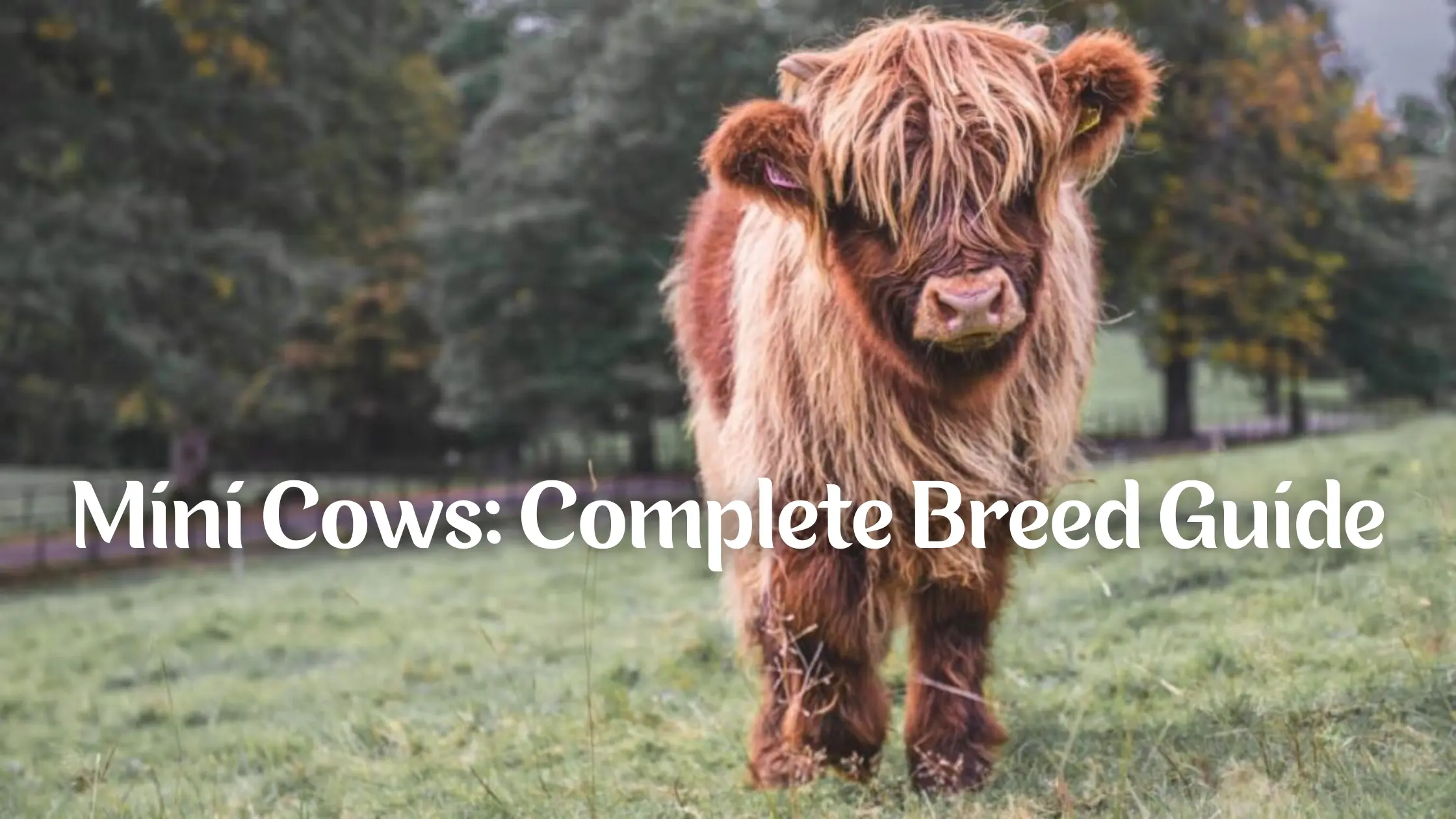
Miniature cattle have grown more popular among small farms, homesteads, and lifestyle landowners. Their manageable size, lower feed costs, and placid nature make them tempting alternatives to full-size cattle. However, not all mini cow breeds are the same.
This guide analyzes the most popular mini cow breeds—Dexter, Lowline Angus, Mini Hereford, and Mini Highland—with a clear breakdown of size, temperament, care demands, and adaptability. It also explains why the mini Highland cow (and micro Highland cow) stands out as the most balanced choice for most lifestyle owners.
Quick Summary: Mini Highland cows combine the smallest body weight (400-800 lbs), exceptional temperament, superior climate adaptability, and unique visual appeal—making them the best overall choice for non-commercial owners and pasture pets.
What Are Mini Cows?
Mini cows are selectively bred, smaller variants of regular cow breeds. Understanding what they are—and what they're not—is essential before choosing a breed.
Selective Breeding
Created through generations of careful breeding, not genetic modification or dwarfism.
Adult Size
Permanently smaller adults, not calves that stay small. Size is reduced while maintaining health.
Structural Integrity
Proper miniaturization maintains proportionate structure and functional conformation.
Health Focused
Responsible breeding prioritizes health and longevity over extreme size reduction.
Common Uses for Mini Cows
- Small-scale farming: Manageable livestock for limited acreage
- Hobby homesteads: Self-sufficiency and sustainable living
- Pasture pets: Companionship and lawn management
- Educational farms: Teaching opportunities and agritourism
- Meat production: Quality beef on smaller scale
- Dairy (limited): Family milk supply from certain breeds
Mini Cow Breeds Overview
Let's examine each major mini cow breed in detail, understanding their strengths, limitations, and ideal use cases.
Dexter Cattle
Dexters are one of the oldest small cattle breeds, originating from Ireland in the 1800s. They're naturally small, not selectively miniaturized.
Dexter Cattle Profile
- Height: 36-44 inches at shoulder
- Weight: 600-1,000 pounds
- Classification: Dual-purpose (meat and milk)
- Temperament: Moderate - can be stubborn or spirited
- Milk Production: 1.5-3 gallons daily when milked
- Origin: Ireland, naturally small heritage breed
- Colors: Black, red, dun
Best For: Owners focused on productivity (meat and milk) rather than appearance or easy handling. Good for experienced cattle owners who want dual-purpose animals.
Lowline Angus
Lowline Angus were developed in Australia as a smaller, beef-focused version of the famous Angus breed through selective breeding programs.
Lowline Angus Profile
- Height: 42-48 inches at shoulder
- Weight: 900-1,200 pounds (heaviest mini breed)
- Classification: Beef cattle
- Temperament: Calm but business-like
- Meat Quality: Excellent marbling and flavor
- Origin: Australia, bred from Angus genetics
- Colors: Black (most common), red
Best For: Small beef producers who want premium Angus genetics in a more manageable size. Less suited as pets due to production focus and heavier weight.
Mini Hereford
Mini Herefords are scaled-down versions of traditional Hereford cattle, maintaining the breed's classic appearance and reliable characteristics.
Mini Hereford Profile
- Height: 42-48 inches at shoulder
- Weight: 800-1,200 pounds
- Classification: Beef cattle
- Temperament: Calm and predictable
- Grazing Efficiency: Strong foraging ability
- Origin: United States, miniaturized from Herefords
- Colors: Red with white face and markings
Best For: Owners seeking dependable size, typical beef cattle qualities, and the classic Hereford appearance. Good all-around choice for small beef operations.
Mini Highland Cow
The mini Highland cow is a smaller variant of the classic Scottish Highland bovine, bred to preserve iconic beauty and exceptional hardiness in a more manageable size.
Mini Highland Cow Profile
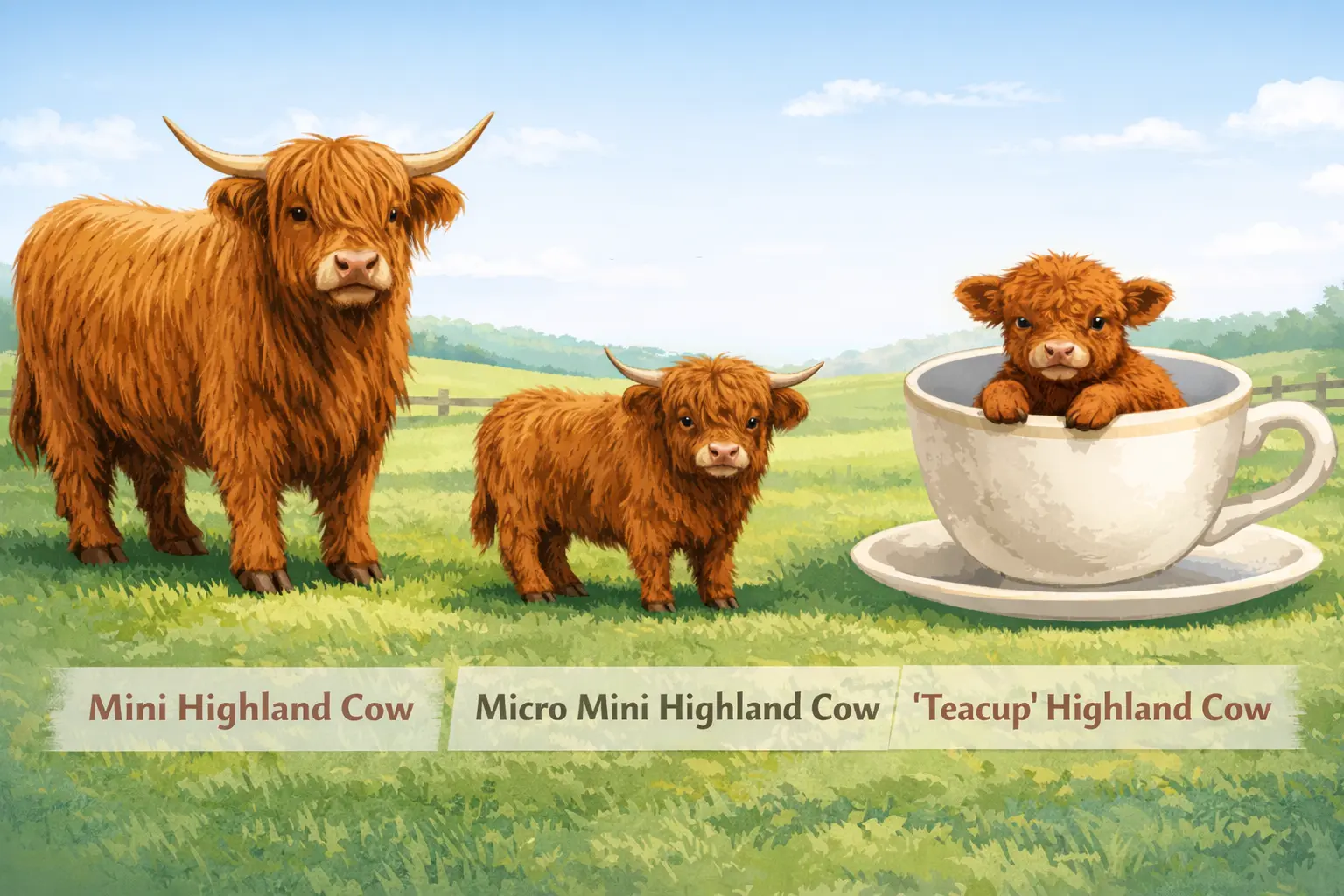
- Height: 42-48 inches (mini), 36-42 inches (micro Highland cow)
- Weight: 400-800 pounds (lightest mini breed)
- Classification: Multi-purpose (companion, beef, limited milk)
- Temperament: Extremely calm and gentle
- Distinctive Features: Long shaggy hair, impressive horns
- Origin: Scottish Highland genetics, modern miniaturization
- Colors: Red, black, dun, yellow, white, brindle
Best For: Lifestyle farms, pasture pets, cold climates, and owners prioritizing temperament and visual appeal over production. The most versatile choice for non-commercial purposes.
Complete Comparison Chart: Mini Cow Breeds
Here's a comprehensive side-by-side comparison of all major mini cow breeds across key characteristics:
Mini Cow Breeds: Complete Comparison
| Feature | Dexter | Lowline Angus | Mini Hereford | Mini Highland |
|---|---|---|---|---|
| Adult Height | 36-44 inches | 42-48 inches | 42-48 inches | 42-48 in (36-42 micro) |
| Adult Weight | 600-1,000 lbs | 900-1,200 lbs | 800-1,200 lbs | 400-800 lbs |
| Temperament | Moderate | Calm | Calm | Very Calm |
| Cold Tolerance | Good | Moderate | Moderate | Excellent |
| Heat Tolerance | Moderate | Good | Good | Good |
| Feed Efficiency | Good | Moderate | Good | Very Good |
| Pet Suitability | Moderate | Low | Moderate | High |
| Visual Appeal | Low | Low | Moderate | Very High |
| Milk Production | Good (1.5-3 gal/day) | Minimal | Minimal | Limited (family use) |
| Beef Quality | Good | Excellent | Good | Good |
Why Mini Highland Cows Are the Best Overall Choice
When comparing all major mini cow breeds for lifestyle and non-commercial use, the mini Highland cow consistently ranks highest across the factors that matter most to small farm owners.
Key Advantages of Mini Highland Cows
Lightest Weight
At 400-800 lbs, they're the lightest mini breed—easier handling, less property impact, lower feed costs.
Best Temperament
Exceptionally calm and gentle, making them ideal for families, beginners, and pasture pets.
Climate Adaptability
Excellent cold tolerance plus good heat adaptation—thrives in diverse climates nationwide.
Easy Handling
Lower stress for both animal and owner during routine care and management.
Disease Resistance
Strong natural immunity and hardiness reduces veterinary costs and health issues.
Longevity
15-20 year lifespan provides excellent return on investment and long-term companionship.
Visual Appeal
Unique shaggy coat and impressive horns create unmatched aesthetic value and conversation.
Efficient Grazing
Excellent feed efficiency and ability to thrive on rougher forage than other breeds.
A micro Highland cow offers all these benefits in an even smaller footprint when responsibly bred, making them perfect for properties with very limited acreage.
Winner for Lifestyle Farms: Mini Highland cows excel in the areas that matter most to non-commercial owners: temperament, manageability, climate adaptability, longevity, and enjoyment factor.
Productivity vs Lifestyle Use
Your primary goal determines which breed is the best fit for your situation. Here's a clear guide based on intended use:
Best Breed by Primary Goal
| Primary Goal | Best Breed | Reasoning |
|---|---|---|
| Beef Production | Lowline Angus | Superior meat quality and marbling |
| Milk & Dual Purpose | Dexter | Best milk production among mini breeds |
| Traditional Farm Use | Mini Hereford | Reliable, predictable beef characteristics |
| Pets & Small Farms | Mini Highland Cow | Best temperament, lowest weight, highest appeal |
| Extreme Climate | Mini Highland Cow | Superior cold tolerance, good heat adaptation |
| Beginners | Mini Highland Cow | Forgiving temperament, easy handling |
| Limited Acreage | Micro Highland Cow | Smallest footprint with good efficiency |
For most lifestyle landowners seeking companionship, land management, and enjoyment rather than commercial production, mini Highland cows provide the best balance of manageability, temperament, and satisfaction.
See Mini Highland Cows in Person
Want to compare breeds firsthand? Visit MooMuffin Acres to meet our mini Highland cows and see why they're the top choice for lifestyle farms and pasture pets.
Schedule Your Farm VisitDetailed Breed Strengths & Weaknesses
Understanding each breed's specific strengths and limitations helps you make the right choice for your situation:
Dexter Cattle
Strengths
- Excellent dual-purpose production (meat and milk)
- Naturally small breed with long heritage
- Good feed efficiency for their size
- Hardy and adaptable to various climates
- Lower purchase price than some mini breeds
Weaknesses
- Can be stubborn or spirited compared to other minis
- Less visually distinctive than Highland cattle
- Moderate pet suitability due to temperament variability
- Some lines carry dwarfism genes requiring testing
Lowline Angus
Strengths
- Superior beef quality with excellent marbling
- Calm, business-like temperament for cattle
- Good heat tolerance
- Prestigious Angus genetics and market recognition
- Solid build and good muscling
Weaknesses
- Heaviest mini breed (900-1,200 lbs)
- Less suitable as pets due to production focus
- Lower visual appeal compared to Highland cattle
- Higher feed requirements due to weight
- More expensive than most other mini breeds
Mini Hereford
Strengths
- Classic Hereford appearance and reliability
- Calm, predictable temperament
- Strong grazing efficiency
- Good beef quality
- Well-established miniature breeding programs
Weaknesses
- Moderate pet suitability—still production-focused
- Standard appearance without unique features
- Moderate weight (800-1,200 lbs)
- Less climate versatility than Highland cattle
Mini Highland Cow
Strengths
- Lightest weight class (400-800 lbs)
- Exceptional temperament—extremely gentle
- Outstanding climate adaptability (excellent cold, good heat)
- Unique, beautiful appearance with universal appeal
- Superior feed efficiency and foraging ability
- Strong disease resistance and hardiness
- Long lifespan (15-20 years)
- High pet suitability and family-friendly
Weaknesses
- Lower milk production than Dexters
- Less beef yield than Lowline Angus due to lighter weight
- Long coat requires occasional grooming
- Horns need space consideration and awareness
- Higher initial purchase price in some markets
Considerations Before Choosing Any Mini Cow
Regardless of which breed you choose, all mini cow owners must address these essential factors:
Land Availability
Minimum ½-1 acre per animal for adequate grazing and space. More is always better.
Zoning Laws
Verify local regulations allow cattle. Get written confirmation before purchasing.
Feed & Vet Access
Ensure reliable hay suppliers and locate large-animal veterinarians beforehand.
Companionship
All cattle are herd animals—plan for multiple animals or compatible companions.
Time Commitment
Daily care required for 15-20 years. Vacation planning becomes more complex.
Financial Planning
Budget for ongoing costs: $1,500-$3,000 annually per animal plus infrastructure.
Infrastructure
Proper fencing, shelter, and water systems must be in place before animals arrive.
Education
Learn basic cattle husbandry, health monitoring, and emergency care procedures.
Critical Reminder: Mini cows are livestock first, regardless of breed. Even the most pet-friendly mini Highland cow requires proper livestock management, facilities, and care—not just affection.
Cost Comparison by Breed
Purchase prices and ongoing costs vary by breed. Here's what to expect:
Typical Price Ranges (2026)
| Breed | Purchase Price | Annual Feed Costs | Total First Year |
|---|---|---|---|
| Dexter | $1,500 - $3,500 | $800 - $1,500 | $6,000 - $12,000 |
| Lowline Angus | $2,500 - $5,000 | $1,000 - $1,800 | $7,500 - $15,000 |
| Mini Hereford | $2,000 - $4,000 | $900 - $1,600 | $6,900 - $13,500 |
| Mini Highland | $3,500 - $8,000 | $600 - $1,200 | $7,100 - $16,500 |
Note: Total first year includes purchase, setup costs (fencing, shelter), transport, and annual care. Prices vary by region, quality, and availability.
Final Verdict
While each mini cow breed has its specific strengths and ideal use cases, the mini Highland cow stands out as the most versatile alternative for lifestyle and non-commercial owners. It combines manageable size, exceptional temperament, superior climate resilience, and unmatched visual appeal.
For individuals preferring a pasture pet or companion animal rather than a production-focused cow, the mini Highland is frequently the ideal choice. Their gentle nature, distinctive beauty, and excellent hardiness create a ownership experience that goes beyond simple livestock management—they become beloved members of the farm family.
Best Overall Choice: A properly bred mini Highland cow offers the best balance for most small farm owners. Micro Highland cows further enhance suitability for smaller properties while retaining all the breed's exceptional characteristics.
At MooMuffin Acres, we've worked with multiple mini cow breeds over the years, and we consistently recommend mini Highland cows to lifestyle farmers, first-time cattle owners, and anyone prioritizing temperament and enjoyment. Their combination of manageable size, friendly disposition, and stunning appearance creates an unmatched ownership experience.
FAQs: Mini Cow Breeds
1. Which mini cow breed is the smallest?
Dexters (36-44 inches) and micro Highland cows (36-42 inches) are among the smallest in height. However, mini Highland cows are the lightest weight class (400-800 lbs), making them easiest to handle and most suitable for limited acreage.
2. Are mini Highland cows smaller than Dexter cattle?
Height-wise, they're similar. However, micro Highland cows often weigh significantly less than Dexters, with micro Highlands averaging 400-600 lbs compared to Dexters at 600-1,000 lbs.
3. Are mini cows good for beginners?
Yes, especially mini Highland cows due to their calm temperament, forgiving nature, and ease of handling. They're the most beginner-friendly mini cow breed available.
4. Which mini cow is best as a pet?
The mini Highland cow is widely considered the best pet-friendly mini cow due to exceptional temperament, manageable size, gentle nature, and high visual appeal that makes them enjoyable to own.
5. Do mini cows need less land than standard cows?
Yes, but they still require adequate space. Plan for minimum ½-1 acre per animal. Mini cows need less than full-size cattle but significantly more than typical pets.
6. Are mini Highland cows good in cold climates?
Yes, excellent. They have the best cold tolerance of any mini cow breed due to their thick double coat and Scottish Highland genetics adapted to harsh weather.
7. Can micro Highland cows live on very small acreage?
They can live on smaller acreage than standard cows or larger mini breeds, but still require proper grazing space. Minimum ½ acre recommended, though ¼ acre possible with excellent management and supplemental feeding.
8. Do mini cows produce milk?
Some breeds do better than others. Dexters are the best mini dairy option (1.5-3 gallons daily). Mini Highland cows produce limited milk mainly for calves, though can provide 1-2 gallons daily for household use.
9. Which mini cow breed lives the longest?
Mini Highland cows typically have the longest lifespan (15-20 years) due to their hardy genetics and strong disease resistance. All mini breeds can reach 15+ years with proper care.
10. Can different mini cow breeds live together?
Yes, different mini cow breeds can coexist peacefully as herd companions. Their similar sizes and generally calm temperaments make multi-breed herds workable, though individual personalities should be considered during introductions.